


Take advantage of our latest lodging deals at Mount Rainier Guest Services. Whether you’re planning a weekend escape or a longer stay, these limited time offers make it easier to experience the park.
Explore our offers
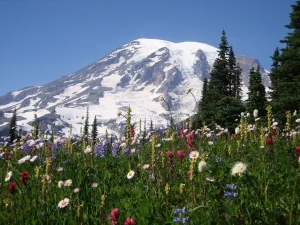
Mount Rainier National Park is often imagined as a single dramatic mountain rising above the Pacific Northwest. In reality, it is a vast and varied landscape where elevation, weather, and season shape every possible experience.
For travelers searching for things to do at Mount Rainier, understanding these differences is what separates a rewarding visit from a frustrating one.
This is not a destination where spontaneity works in your favor. Mount Rainier rewards preparation, timing, and a willingness to adapt your plans to nature’s terms.
Mount Rainier National Park spans from low forested valleys to high alpine meadows and glaciated slopes. This elevation range means that conditions can vary dramatically within the same day.
You may begin your morning in a warm, green river valley and reach snow-covered viewpoints within an hour.
Trails, roads, and services shift accordingly, opening and closing based on snowfall, melting patterns, and safety conditions.
Because of this, the park is not experienced as one place but as several distinct zones, each with its own rhythm and seasonal access.
One of the most important things to understand when planning things to do at Mount Rainier is that visitor services are not uniform throughout the year.
Many guided activities, ranger programs, lodging options, and food services operate only during specific seasons. High elevation areas typically have much shorter operating windows due to lingering snow and unpredictable weather.
Summer brings the widest range of accessible services, including guided tours, trail access, and visitor centers at higher elevations. Spring and fall offer fewer services but more solitude.
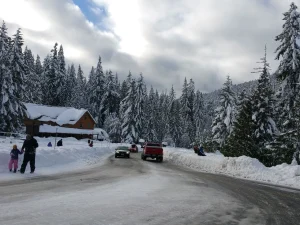
Winter transforms the park into a snow-dominated environment where only certain areas and activities remain open.
Understanding which services are available during your travel window is essential. Planning around these realities ensures that your expectations match what the park can safely offer.
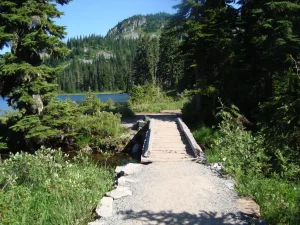
Mount Rainier National Park is not a single experience repeated across multiple viewpoints. Each area offers something different based on terrain, elevation, and exposure.
Lower elevation zones are typically forested and accessible earlier in the season. These areas are often ideal for gentle hikes, river walks, and educational programs.
Mid elevation areas open later as snow melts and are known for wildflower meadows, panoramic views, and classic alpine scenery. These are often the most photographed parts of the park.
Higher elevation zones, near glaciers and summit approaches, remain inaccessible for much of the year and require more technical experience even when open.
A visit focused on one area can feel completely different from a visit centered on another. This is why Mount Rainier is not one-size-fits-all and why planning should begin with deciding what kind of experience you want rather than simply when you want to go.
Mount Rainier can be experienced in very different ways depending on your approach.
Some visitors enjoy casual roadside stops, short walks from parking areas, and scenic overlooks. These experiences require minimal preparation and are accessible to a wide range of travelers, especially during peak season.
Others choose guided services such as snowshoe tours, climbing programs, or interpretive hikes. These experiences provide deeper insight, technical support, and access to areas that casual visitors may never reach.
Neither approach is better, but they serve different goals. Casual visits allow flexibility and ease. Guided services offer depth, safety, and expertise, especially in environments where weather and terrain change quickly.
Understanding this distinction helps visitors choose the right level of involvement rather than arriving unprepared or underwhelmed.
Weather at Mount Rainier is not a background detail. It is a central character in your visit.
Clear days can offer expansive views of glaciers and distant peaks. Fog, rain, or snow can reduce visibility to just a few meters. Temperatures can drop sharply with elevation, even in summer.
Because of this, timing matters not just seasonally but daily. Checking conditions, understanding forecast limitations in mountainous terrain, and building flexibility into your schedule are essential parts of planning.
Those who arrive with rigid expectations often leave disappointed. Those who plan for variability often discover unexpected moments of beauty.
Mount Rainier National Park does not reward impulsive travel in the way some destinations do. It rewards travelers who prepare.
This means:
Preparation does not remove adventure. It creates the conditions for safe and meaningful exploration.
What makes Mount Rainier so compelling is also what makes it challenging. It does not conform to visitor expectations. It adapts only to its own natural cycles.
For those willing to plan with intention, this becomes its greatest strength. Every visit can feel different, shaped by season, light, snow, and silence.
For travelers looking for things to do at Mount Rainier that go beyond surface-level sightseeing, understanding this complexity is the key to experiencing the park fully.
When is the best time to visit Mount Rainier National Park?
July through September offers the most access to high elevation areas, but spring and fall provide fewer crowds and unique seasonal beauty.
Is Mount Rainier open year round?
Yes, but access is limited in winter, and many roads and facilities close due to snow.
Do I need a guide to explore Mount Rainier?
Not always. Many areas are accessible without a guide, but guided services are recommended for snow travel, climbing, and higher elevation exploration.
How cold is Mount Rainier in summer?
Temperatures can be warm in valleys but significantly colder at higher elevations, often with snow still present.
What should I bring for a visit to Mount Rainier?
Layered clothing, weather protection, proper footwear, food, water, and a flexible plan are essential.